


Container management
using unitop software
Centralised control of inbound cargoes, container details & international movements of goods
In international procurement processes, a lot of information needs to be kept constantly up to date for planning and processing purposes: orders, order lines, containers, freight waybill numbers, ETDs, ETAs, storage locations at the destination, terms and conditions of supply and goods inward. If these details are not available centrally, reliably assigning goods at sea and scheduling and planning subsequent steps in the process in a clearly defined way will become difficult to achieve.
Using the container management functionality in unitop, you can manage inbound cargoes, container information and the international movements of goods in a centralised ERP process. The Cargo Cockpit helps you keep an eye on cargo processes and the associated document lines, keep track of dates and prepare goods inward more effectively.
Controlling international procurement transparently
Keep an eye on inbound cargoes, deadlines & goods inward with unitop
Container management helps bring together inbound cargoes, deadlines, documents, order lines, movements of goods and cost details more effectively, giving the Procurement, Logistics, Warehouse and Financial Accounting departments a more transparent view of your organisation’s international procurement processes.
Typical benefits:
Scope of services
Container management functions included within unitop
International movements of goods
Goods at sea are displayed in Procurement & Goods Inward in a comprehensible way
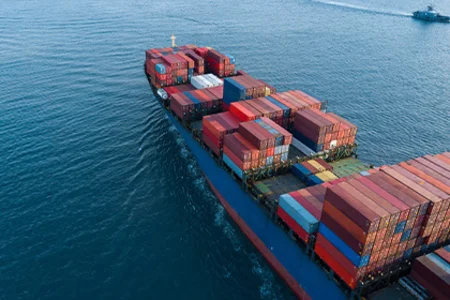
In the case of international orders, goods often spend a long time on their way from manufacturer to warehouse. During this stage, deadlines, delivery and payment conditions, goods inward and stock information must be correctly assigned. Inbound cargoes also affect procurement, planning, goods inward and stocks. For that reason, linking cargo processes with the underlying orders and document lines is important.
The container management functionalities in unitop help you avoid viewing those processes in isolation, by handling them in a combined way that includes purchasing, storage, procurement and financial accounting. That way, your teams will be able to keep track of relevant information regarding inbound cargoes, order lines, date values, utilisation and goods inward.
unitop solutions for your sector
Container management for commercial companies that procure goods internationally

Wholesale
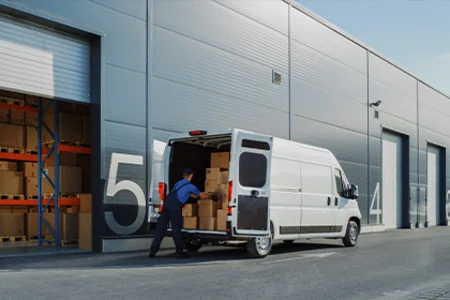
Wholesalers need to coordinate international orders, delivery deadlines, quantities and goods inward in a reliable way. unitop allows inbound cargoes and container information to be managed centrally and more effectively linked with purchasing, storage and financial accounting.
View solution
Your contact
Let’s talk about your container management system
Want to manage inbound cargoes, container information, goods inward and international procurement processes more transparently? If so, we’ll be pleased to show you how unitop can help you turn your requirements into reality.

Frequently asked questions about container management with unitop
What will container management in unitop help me to do?
The container management functionalities in unitop help users manage inbound cargoes and international movements of goods. This includes cargo processes, container information, order lines, date values, utilisation, movements of goods, goods inward and cost accounting.
What is the Cargo Cockpit?
The Cargo Cockpit provides a central overview of inbound cargoes and helps users control and handle multi-order cargo processes.
What does ‘goods at sea’ mean?
Goods at sea refers to goods that are already underway, but have yet to arrive at the company’s own warehouse. The container management functionalities in unitop allow inbound cargoes and container information to be managed in an ERP context.
Can date values be calculated as part of the cargo process?
Yes. Whenever relevant date values are modified, subsequent date values can be recalculated and order lines amended accordingly.
Does unitop support container tracking?
Using the SeaRates interface, container information such as estimated departure and arrival times can be included. You must register with SeaRates in order to make use of this feature. A compulsory registration fee will apply.